Archival records often preserve the ordinary realities of a construction site as vividly as they document the finished architecture. Two short entries from the building accounts of the fortress of Monte Poggiolo offer a glimpse into the rhythm of work and the continuous cycle of maintenance that accompanied construction.
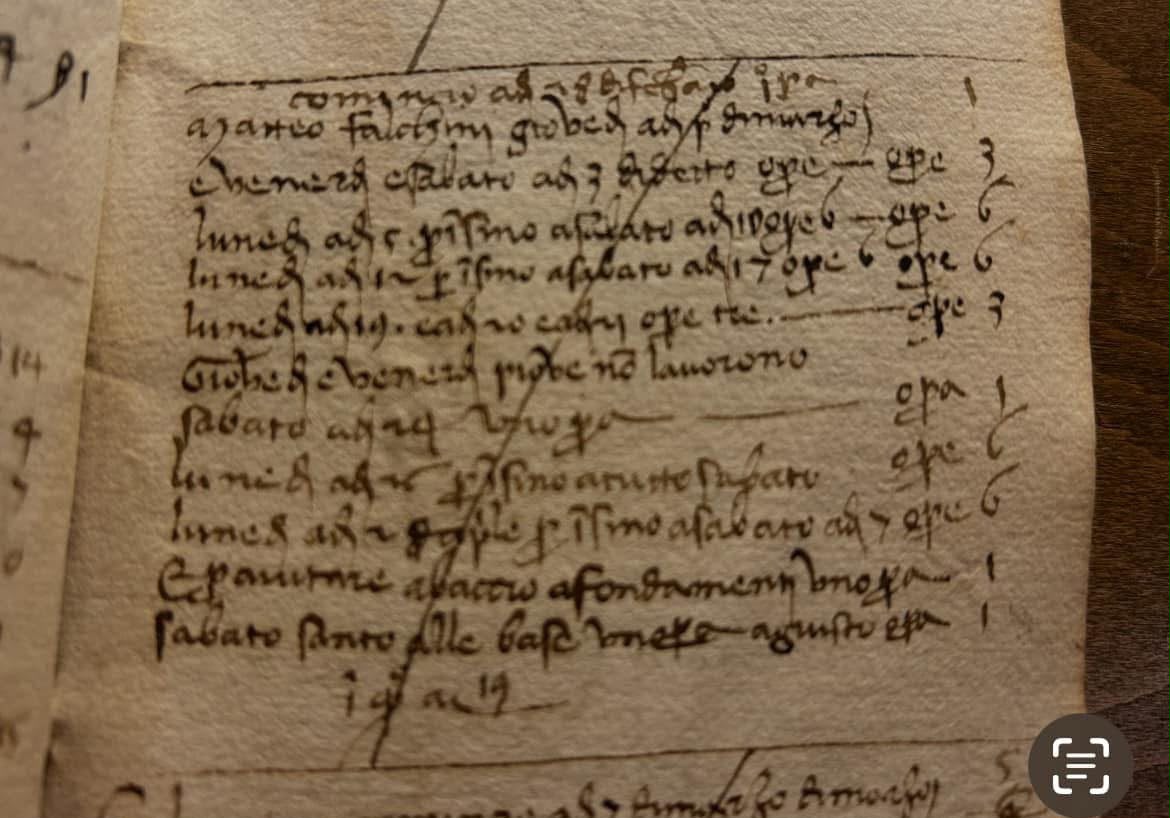
The first records a weather interruption:
“Thursday and Friday it rained; no work was carried out” (Giovedì e venerdì piove non lavorono.)
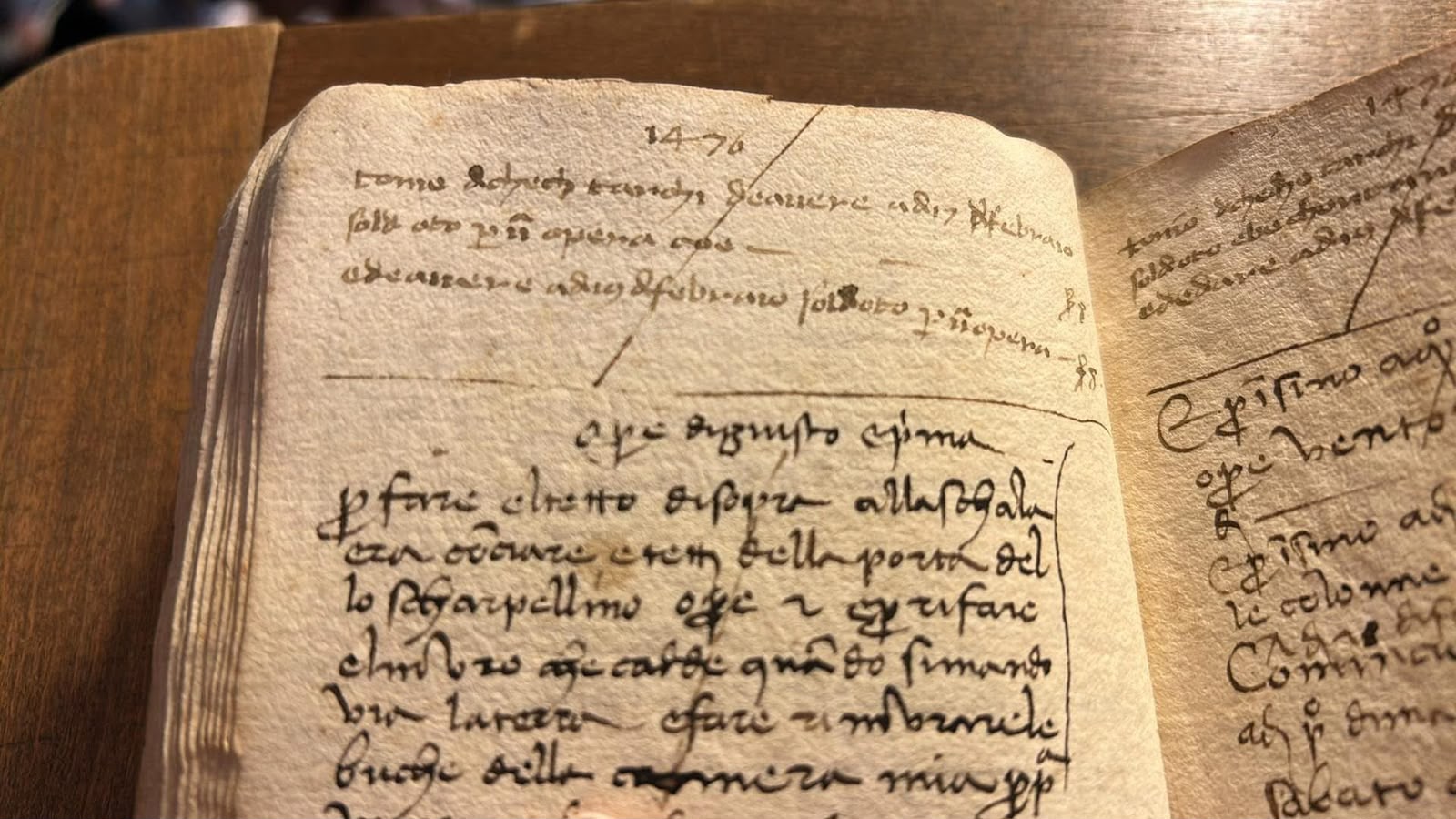
The second reveals the constant need for repairs and adaptations:
“...To build the roof above the staircase, to repair the roof over the stonemason’s gate, to rebuild the wall that collapsed when the earth was removed, and to renew the openings in my chamber...” (...Per fare el tetto di sopra alla schala e rachonciare e tetti della porta dello scharpellino e per et per rifare el muro che cadde quando si mando via la terra e fare rinovare le buche della camera mia...)
These brief notes remind us that a fortress was not simply designed and built — it was constantly adjusted, repaired, and maintained. They also reinforce an important aspect of my current research within the ReLMI Project: the culture of repair, material reuse, and everyday construction practices that underpinned the making of the Florentine Republic’s frontier fortifications.